
Mid-Mile Delivery: The Gap Between the Warehouse and the Job Site

Mid-mile delivery is the leg between your warehouse, plant, or distribution center and the place your goods are actually used or sold. The job site. The dealership. The second facility across the state. The back room of the store. It's the part of trucking that most freight networks were never built to handle.
It's the run that's too small for a semi and too big for a courier. And if you ship for a living, it's probably where most of your headaches live.
What is mid-mile delivery?
Here's the profile. Fifty to three hundred miles. One to a few pallets. Under 10,000 pounds. Needed today or tomorrow, not next Thursday.
Think of freight in three stages.
Long-haul is a full truckload on a tractor-trailer, planned days out, moving hundreds or thousands of miles between major nodes. The economics only work when the trailer is full.
Mid-mile is a partial load on a pickup, cargo van, box truck, or flatbed trailer, arranged with hours of notice, moving regionally. It's a single pickup and a single drop.
Last-mile is parcel. Small boxes, residential addresses, a driver with a handheld scanner and eighty stops.
You may have searched for this under a different name: middle mile, LTL shipment, hotshot run, expedited freight, regional delivery. Same gap, different vocabulary.
The reason mid-mile hurts so much is simple. The two systems everyone built — the long-haul network and the parcel network — weren't designed to serve it. Your three-pallet order falls straight between them.
Why does traditional trucking ignore the mid-mile?
Nobody sat down and decided to abandon regional freight. It's a math problem that compounds.
Semi-truck economics demand volume. A tractor-trailer costs roughly the same to run whether it's hauling 40,000 pounds or 4,000. So carriers tend not to move it until the trailer pencils out. Your freight sits on the dock waiting for other people's freight to show up.
LTL networks route through hubs. Traditional less-than-truckload service doesn't drive your pallet from A to B. It drives it to a terminal, unloads it, stages it, reloads it onto a different trailer, and maybe repeats that two more times. Every touch is a chance for a forklift to put a hole in something. Every terminal is a day.
Appointment windows serve the route, not your schedule. The carrier tells you when the truck will be near you. Your crew chief needs material on site at 7 a.m. Monday. Those two facts have nothing to do with each other.
Parcel caps out fast. Weight limits and dimension limits rule out a bundle of shingles, a transmission, a pallet of fittings, or anything on a skid. By the time you've split a load into enough boxes to qualify, you've often paid more than a truck would have cost.
Capacity goes to the biggest shippers first. Class 8 equipment gets committed to contract freight from national accounts. Small and midsize businesses bid on what's left, at whatever the spot market says that week.
Net effect: the mid-mile often ends up the slowest, least predictable, most expensive mile per pound in your entire supply chain — even though it's the shortest distance.
What does a mid-mile delay actually cost you?
The freight invoice is rarely the biggest number. The delay is.
Idle crews. A framing or roofing crew standing in a driveway waiting on material is burning labor dollars by the hour, and you're still paying for the day whether the truck shows or not.
Equipment and bay downtime. A dealership holding a vehicle for one back-ordered part loses the lift, the tech's hours, and eventually the customer's patience.
Emergency workarounds. You send your foreman two hours each way in the company truck. Now you've pulled a skilled employee off the job, put unlogged miles on a vehicle, and taken on liability for a load he probably didn't strap the way a professional would.
Rush premiums. You pay the expedite surcharge, and the carrier still won't commit to a time. You bought urgency and got a wider window.
Reputation. When your receiver is the one waiting, the delay has your name on it, not the carrier's.
Run the math on a half-day crew stoppage before you shop the freight quote. The shipping line item is almost never where the money went.
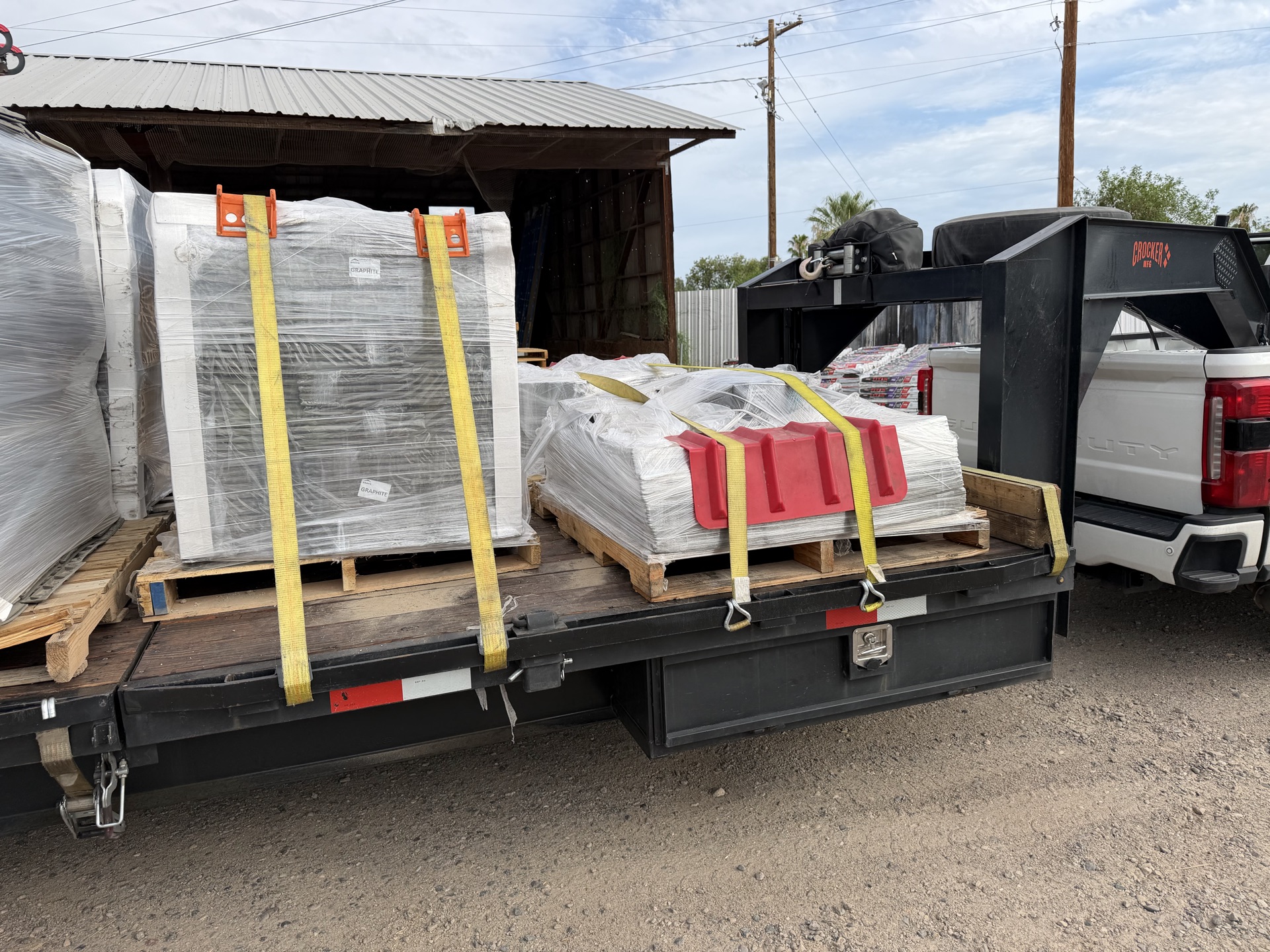
Who is already driving the mid-mile — and why nobody counted them
There are roughly 16 million pickup trucks and trailers on American roads. A meaningful share belongs to people who haul for a living, or would if the work found them.
That's the part the freight industry keeps missing. The capacity for regional trucking already exists. It's parked in driveways and yards right now. It doesn't need to be built, financed, or waited on. It needs to be organized and made visible.
That's what hotshot drivers are. Independent operators running pickups, cargo vans, box trucks, and flatbed trailers, taking single loads point to point. No terminal. No hub. No consolidation. They pick it up, they drive it, they drop it.
Worth being clear about standards, because "hotshot" gets confused with "a guy with a truck." Professional Hotshots run inspected trucks, trailers, and vans. They know securement. They carry real insurance. They understand that a load of glass, a machine part, or a pallet of medical supplies isn't cargo you throw in the bed and hope.
The model works for drivers, which is why the supply stays available. Set your own schedule. Choose your own loads. Get paid the same day. A driver who controls those three things stays in the market — and a driver who stays in the market is a truck you can book on a Tuesday afternoon.
How does an on demand delivery service close the gap?
The sequence is short on purpose.
Post the load. Weight, dimensions, pickup point, drop point, deadline.
Get a quote instantly. Not a callback tomorrow. A number now, so you can decide now.
A driver claims it. Someone with the right vehicle in the right area takes the job.
The truck rolls. Direct from origin to destination.
Three parties are involved: shipper, receiver, and driver. That's it. No broker relaying messages between people who never speak. No terminal in the middle deciding when your pallet is worth moving.
Because a shipping marketplace puts communication and tracking in one place, the receiver on the job site knows when to have someone at the gate. Your project manager isn't calling dispatch for an ETA that dispatch is guessing at. He can see the truck.
The other structural difference: the vehicle gets matched to the load instead of the load waiting for the vehicle. Four hundred pounds of fittings goes in a cargo van. Twelve bundles of shingles go on a flatbed trailer. A pallet of parts goes in a box truck. Nothing waits for a 53-foot trailer to fill up, because no 53-foot trailer is involved.
And single-touch handling matters more than people credit. Freight that's loaded once and unloaded once doesn't get dropped at three terminals along the way. For materials that don't survive repeated forklift transfers, that's the whole ballgame.
What kinds of loads move best on the mid-mile?
Construction and roofing. Shingles, lumber packs, fasteners, fixtures, tools, and the replacement part for the machine that stopped the job at 10 a.m.
Automotive. Dealer trades, parts moving between stores, wheels and tires, the one component that unblocks a repair order and frees the bay.
Manufacturing and agriculture. Components between plants, equipment parts, inputs that keep a line running or a season on schedule. Downtime in either sector is measured in real money per hour.
Medical supplies and defense freight. Where chain of custody and timing both matter, and a load sitting unattended at a hub terminal isn't an acceptable answer.
The rule of thumb: anything under 10,000 pounds that fits in a cargo van, truck bed, or trailer.
Be honest about the edges, too. True full truckloads belong on a semi. Cross-country lanes belong on a semi. Hazmat beyond a driver's endorsement isn't a hotshot job. Knowing where the model stops is part of using it well.
How do you know if you have a mid-mile problem?
Run this against your own operation.
You regularly send employees in company trucks to go fetch material.
Your freight sits on a dock while a carrier waits to consolidate it.
You pay expedite fees more than a few times a month.
You can't tell a customer or a crew chief when material will actually land.
Your average shipment is one to six pallets and under 10,000 pounds.
Your "shipping" budget quietly includes overtime, mileage reimbursement, and rescheduled labor.
Three or more checks and your shipping spend is likely hiding a scheduling problem. You're not overpaying for freight. You're paying for the gap around it.
What to look for in a mid-mile shipping partner
Instant, transparent quoting. If you have to wait a day for a price, you'll likely wait considerably longer for a truck. Speed to quote is a fair proxy for speed to pickup.
Vetted drivers and inspected equipment. Ask directly how vehicles and operators get screened. You're handing someone your customer's material.
Tracking and messaging both ends can see. The receiver should be as informed as the shipper. That's half the value.
Vehicle variety. A 400-pound load shouldn't get priced like a 40-foot trailer. If the only tool is a big truck, everything costs like a big truck.
Coverage for your industry's quirks. Securement requirements, site access, tight delivery windows, documentation for regulated freight. A partner who's moved your kind of load before won't need it explained.
Clear limits, stated up front. Weight and dimension thresholds you can check before you post, not after you've committed.
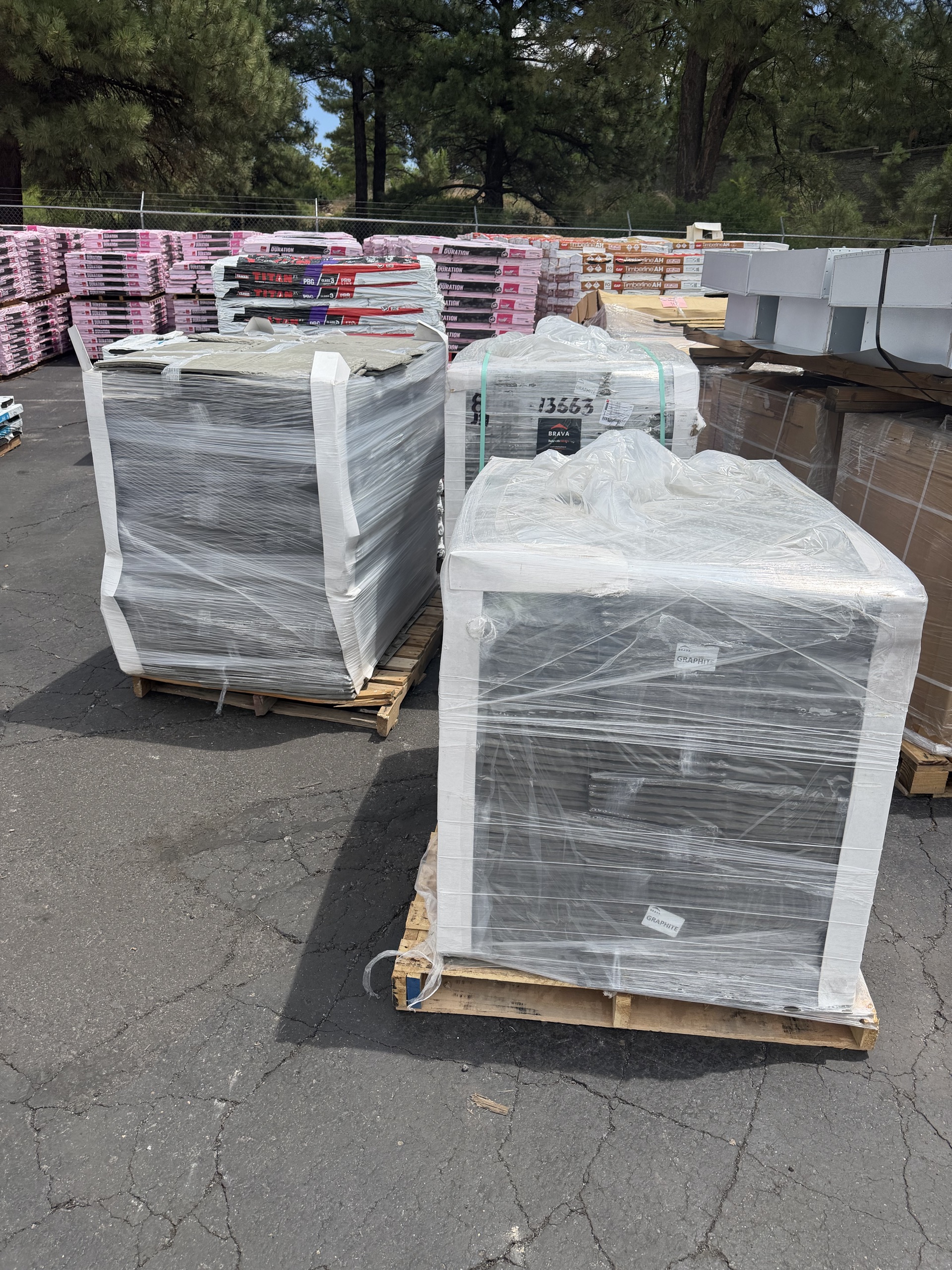
Timing is Everything: closing the gap on your next load
The mid-mile isn't a small version of long-haul trucking. It's a different problem. Different distances, different load sizes, different notice periods, different equipment. Trying to solve it with a network built for full truckloads is why it stays broken.
The good news is that nothing has to be built. The trucks are already out there — millions of pickups, vans, box trucks, and trailers that can move an LTL shipment today. The fix is access, not construction.
If you've got a load sitting on a dock right now, pull a free quote and compare it against what the delay is actually costing you in labor and downtime. That comparison tends to end the debate.
And if you own a pickup, cargo van, or box truck and you're looking for hauling work, this is where the freight is. Regional loads, same-day pay, your own schedule.
Delivery expectations keep compressing. Nobody's customer is getting more patient. The businesses that figure out their mid-mile first are the ones whose crews are working while everyone else's is waiting on a truck.
Discover
Convenience.
Ship with
Open Road.
Create your account and get shipping.
Being a driver
couldn’t be simpler.
Ready to work your own schedule and get paid that same day? Get in touch with us and we will get you on the road.